
Eating Disorders & the LGBTQIA2s+ Community
March, 2026
“What matters most to me in supporting LGBTQIA2s+ folx in recovery… is to be a safe place for people as they grow and learn more about themselves in a world that is not as accepting as it should be.”
- Angel, Primary Therapist
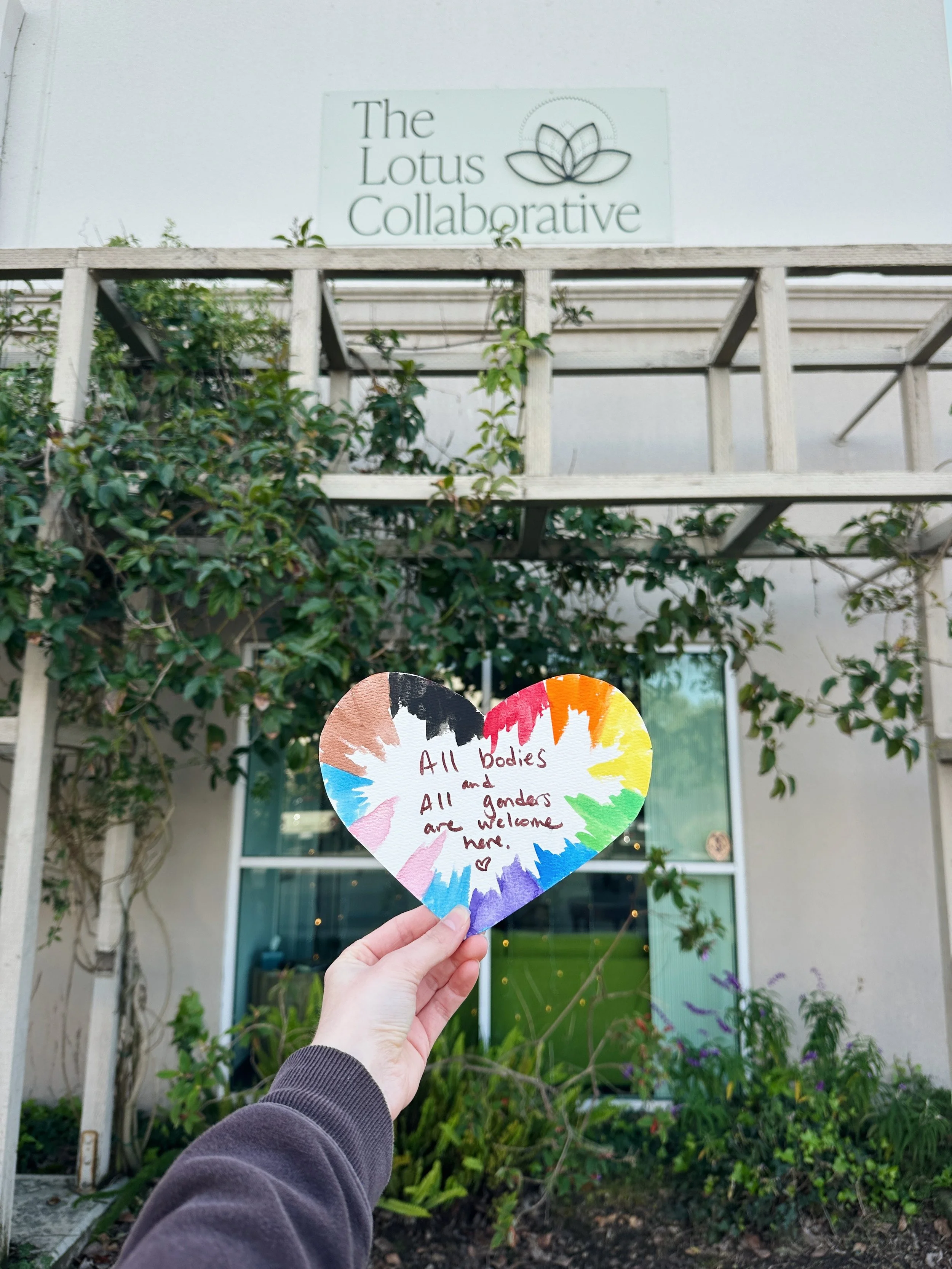
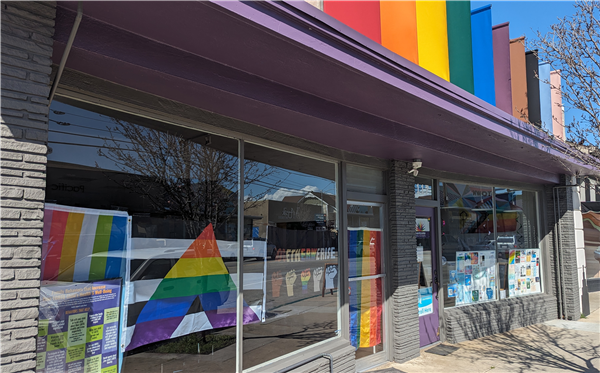
Last month, Lotus spent the morning at The Diversity Center in Santa Cruz, where Rone, Assistant Operations Director, led a training on the intersection of eating disorders and the LGBTQIA2s+ community. What we discussed reflects what we see every day in our clinical work: queer/gay/trans identities and eating disorders are often deeply interlaced. Marginalized and multiply marginalized identities are risk factors for eating disorders, not because identities cause eating disorders, but because of what it can mean to move through the world in a body that is judged, misunderstood, or unsafe.
Disordered eating and eating disorders may begin as an attempt to cope with stress or trauma, numb out, feel control, manage gender dissonance/painful feelings about gender expression, or earn belonging. The body can become a site of negotiation.
Food and body control can become attempts to:
Reduce visibility
Increase interpersonal safety
Manage gender dissonance
Create belonging
Regulate overwhelming stress or mood and trauma symptoms
*There is also a lot of overlap between eating disorders and neurodivergence, both within and beyond the LGBTQIA2s+ community. Many people navigating eating disorders are also autistic, AuDHD/ADHD, or otherwise neurodivergent. Sensory sensitivities, rigidity as a safety strategy, masking, and burnout shape how eating disorders develop and how recovery must be approached.
Challenging Assumptions
One of the most important parts of LGBTQIA2s+ affirming eating disorder treatment is challenging assumptions, our own and everyone else’s. Rone reminded us, “The world does not understand eating disorders well.” That misunderstanding has real consequences, and part of recovery, and supporting other people in recovery, is taking apart toxic myths and stereotypes.
Eating disorders exist across genders, sexual orientations, socioeconomic classes, races, ages, body sizes, and abilities. When providers or loved ones cling to narrow stereotypes, people get missed, dismissed, or delayed in care. Add intersecting marginalized identities (e.g., queer and BIPOC, trans and disabled, neurodivergent and low income), and the barriers multiply. You do not need to fit a stereotype to need support. We love to debunk the myth that it’s possible to tell if someone has an eating disorder just by looking at them. That’s not a thing!
Other steps that help:
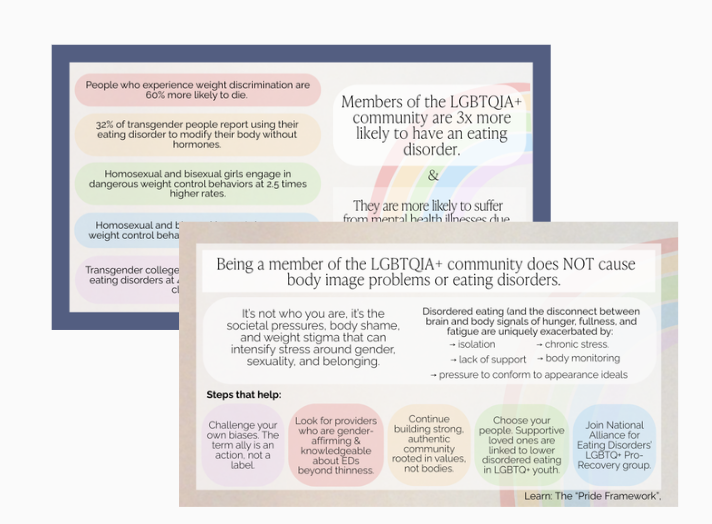
Challenge your own biases.
Look for providers who are gender-affirming and knowledgeable about EDs.
Continue building strong, authentic community rooted in values, not bodies.
Choose your people. Supportive loved ones are linked to lower disordered eating in LGBTQ+ youth.
Get help when you need it, and help your loved ones get help when they need it. Eating disorders are process addictions, and the addiction often protects itself by hiding behind “I’m not that sick”, or “It’s been worse before”. If it’s hard, it’s hard (and maybe dangerous), and getting a support team really helps. (We’ll write about good outpatient supports in an upcoming post!) If you need help finding care, feel free to reach out. We have a wonderful referral network of outpatient therapists and dietitians.
Self-Care as Resistance & Recovery
Audre Lorde wrote, “Caring for myself is not self-indulgence, it is self-preservation, and that is an act of political warfare.”
For many queer and trans people, recovery can be exactly that: reclaiming nourishment, rest, and body safety in a world that has asked you to shrink, perform, or apologize.
We also spoke about queerness as horizon, something people move toward with hope and possibility. Scholar José Esteban Muñoz describes queerness as “the warm illumination of a horizon imbued with potentiality.”
That feels like a recovery frame, too. Not perfection, but a forward pull toward freedom.
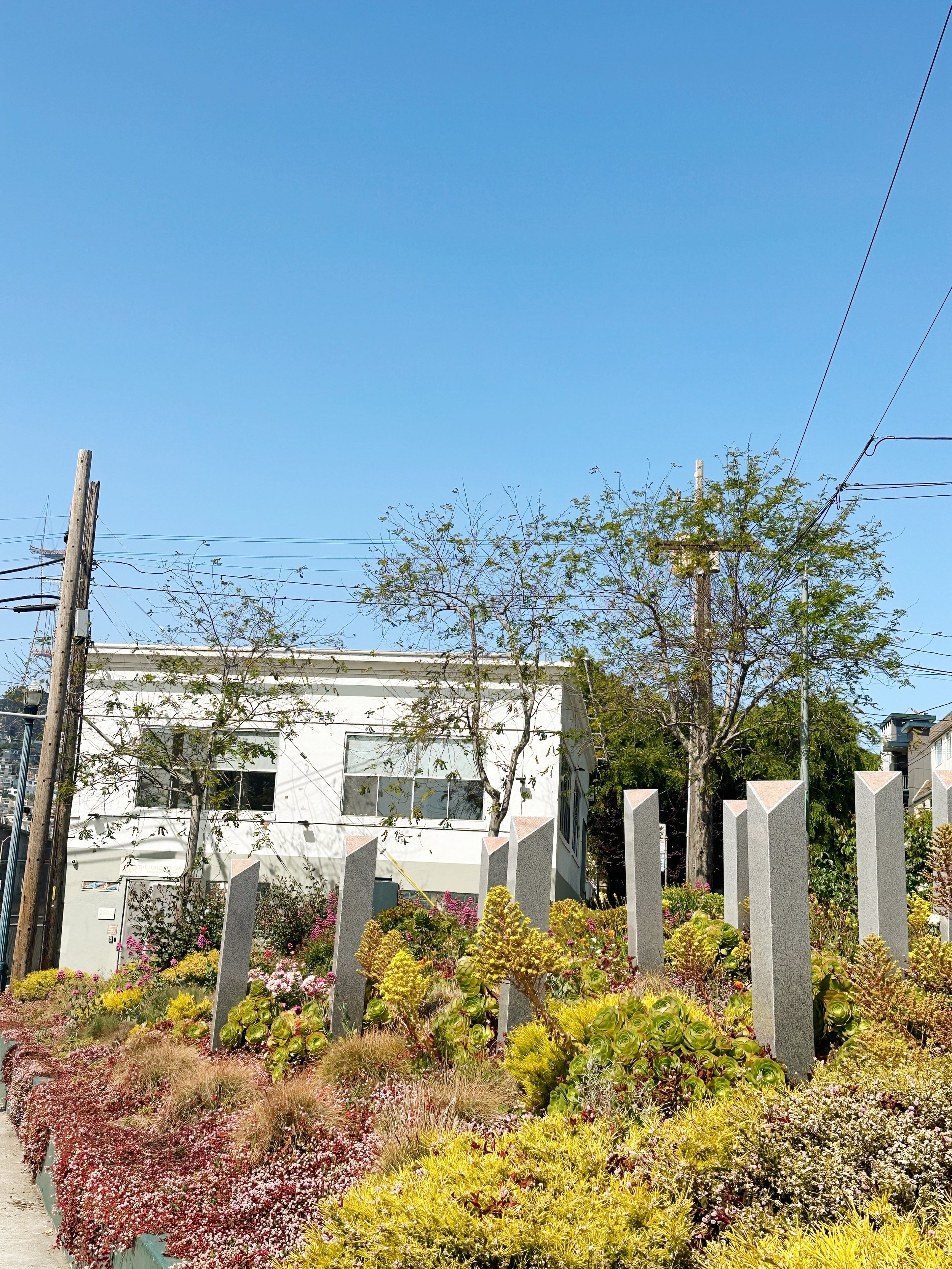
The Pink Triangle Memorial right in front of Lotus!
At Lotus
The Lotus Collaborative provides LGBTQIA2s+ affirming eating disorder treatment in Santa Cruz and San Francisco, with virtual programs, including mood/trauma IOP, available throughout California. If you or someone you love is looking for inclusive, affirming eating disorder care in California with staff and leadership in the queer and trans communities, we’re here.
Hear more about our gender-affirming treatment model rooted in community here.
Reach out to admissions to learn more about our programs and services.
📞 Call 855-852-4968
📧 Email info@thelotuscollaborative.com
📋 Fill Out a Consultation Request Form
*We’re currently in-network with Aetna, Anthem Blue Cross, Cigna, United Healthcare, and Kaiser Permanente. We also accept Medi-Cal. For clients covered by other providers, we’re always happy to explore an SCA, and we tend to have a very high success rate.
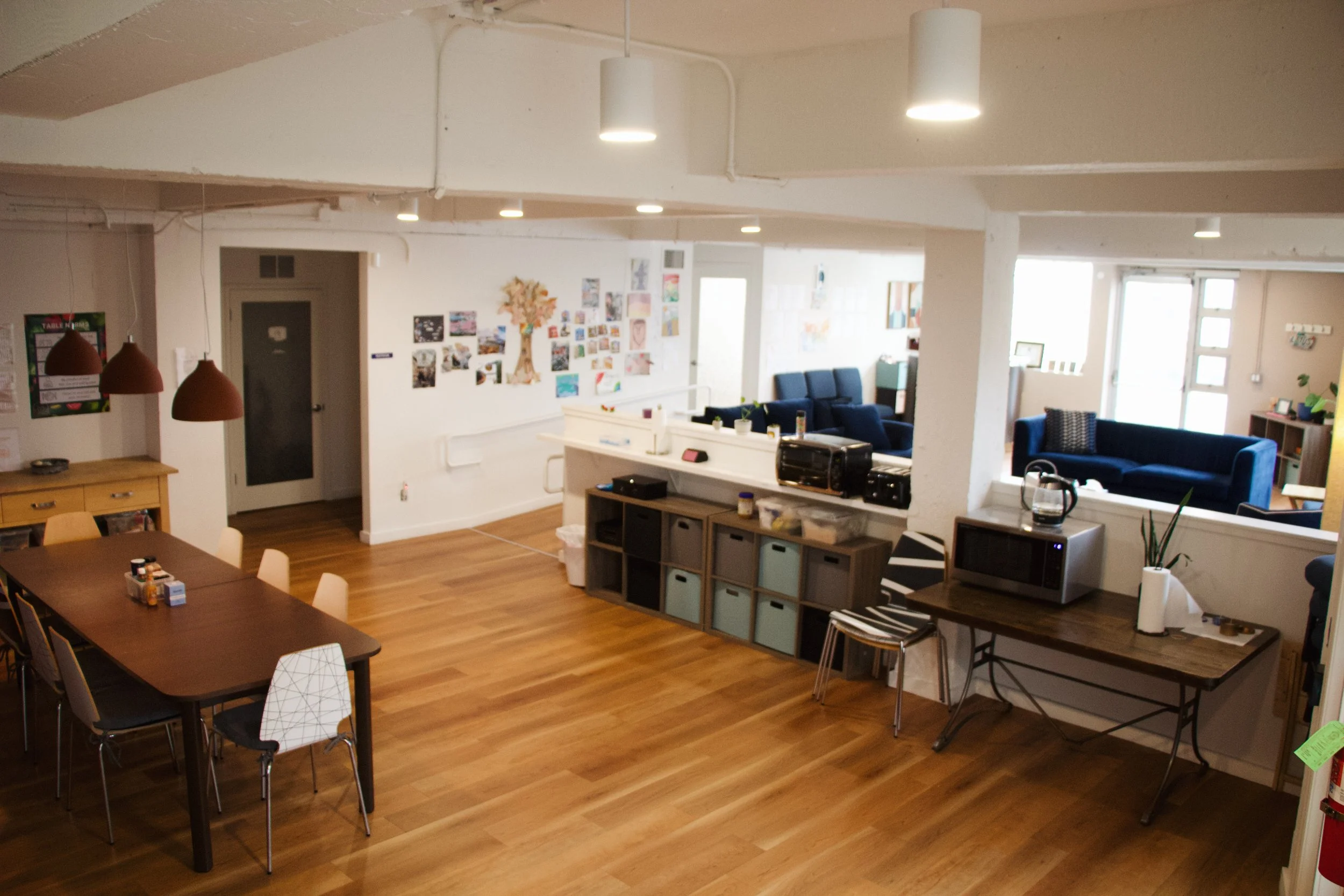
Written & Created by Lea Horsley & Rone Canyon
-
![]()
Eating disorders occur across all identities, but members of the LGBTQIA2s+ community are at increased risk due to higher exposure to body pressure, minority stress, and barriers to affirming care.
Explore more of our blogs with behind the scenes peeks into our day-to-day programming!