
What to Expect in Eating Disorder PHP and IOP: A Guide to Groups at The Lotus Collaborative
November, 2026

“
Navigating recovery in a non-recovery focused world feels impossible, but it’s not.
- Previous client
Starting eating disorder treatment can feel overwhelming, especially when you aren’t sure what to expect. You may wonder what happens during a typical day, what group therapy involves, or whether you’ll feel comfortable sharing with others.
At The Lotus Collaborative, our Partial Hospitalization Program (PHP) and Intensive Outpatient Program (IOP) combine therapeutic groups, nutrition support, and opportunities to practice recovery skills in a supportive environment. Each group serves a different purpose, helping clients build skills, explore emotions, and develop a healthier relationship with food and their bodies.

Therapy Groups: Building Skills for Recovery
Our therapeutic groups help clients explore patterns and develop tools they can use in everyday life. Depending on the group, clients may practice coping skills, learn to communicate their needs, set boundaries, or work through difficult emotions.
Groups may draw from evidence-based approaches such as Cognitive Behavioral Therapy (CBT), Dialectical Behavior Therapy (DBT), and Acceptance and Commitment Therapy (ACT). Other groups focus on self-compassion, mindfulness, relationship skills, or processing experiences with support from peers and clinicians.
The goal is to help clients feel more equipped to navigate challenges both during treatment and beyond.
Mind-Body and Creative Groups: Reconnecting With Yourself
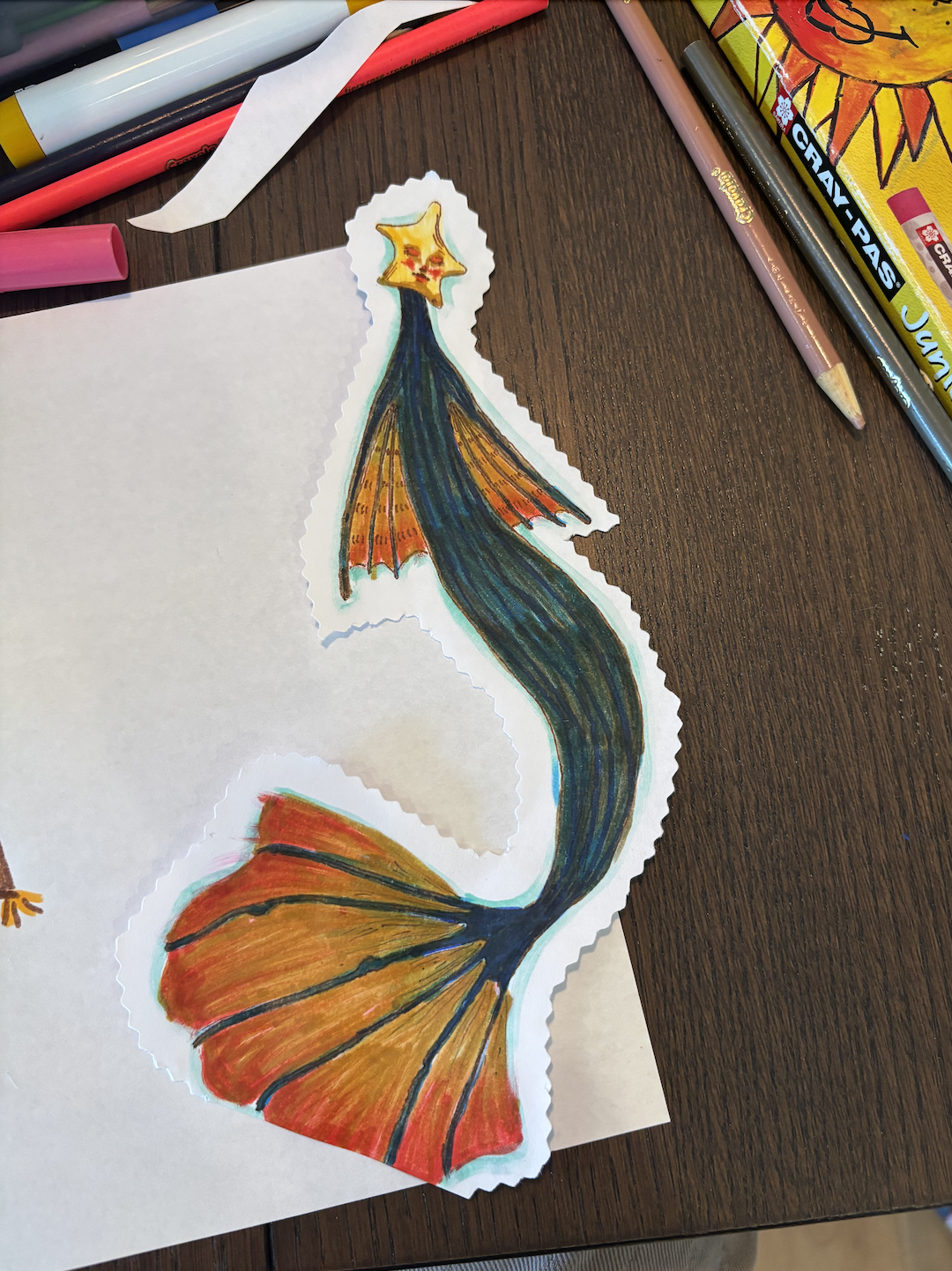
Through groups such as expressive arts, journaling, gardening, gentle movement, and somatic practices, clients have opportunities to explore their experiences in different ways. Mindfulness and grounding groups also teach practical techniques for staying present during moments of stress or anxiety.
These experiences offer alternative ways to process emotions, build self-awareness, and practice self-compassion without needing to have all the answers.
Nutrition Groups and Supported Meals
Nutrition groups provide education about nourishment, hunger and fullness cues, the effects of inadequate nutrition, and the influence of diet culture. Clients can ask questions, challenge rigid food rules, and develop a more flexible approach to eating.
During supervised meals and snacks, clients practice preparing and eating food with support from therapists and registered dietitians.
Family and Community Support
Eating disorders can affect loved ones, too. Friends, family members, and supporters may have questions about how to help or how to navigate the recovery process.
Our Friends and Family Group offers education and a space for supporters to learn alongside others and ask questions of the treatment team. We also offer a free, therapist-led Eating Disorder Recovery Support Group for people at different stages of recovery, including those who are just beginning to seek support.
Recovery can feel isolating, and connection with others who understand can make a meaningful difference.
Finding the Right Level of Care
Every person's experience with an eating disorder is different. PHP and IOP provide different levels of structure and support, and the right fit depends on individual needs and clinical assessment.
At The Lotus Collaborative, we offer eating disorder PHP and IOP for adolescents and adults ages 14 and older, with programs in Santa Cruz and San Francisco. Our team also offers a Mood and Trauma IOP for adults ages 18 and older experiencing concerns such as anxiety, depression, and trauma.
You don’t have to know which level of care is right for you before reaching out. Our team offers free client assessments and provider consultations to help explore your options.
Interested in learning more?
Visit The Lotus Collaborative or contact our Admissions team at (855) 852-4968 or info@thelotuscollaborative.com. We’re happy to answer questions and help you take the next step.
*We’re in-network with insurances and work with Medi-Cal referrals.
Written & Created by Lea Horsley

Explore more of our blogs with behind the scenes peeks into our day-to-day programming!